


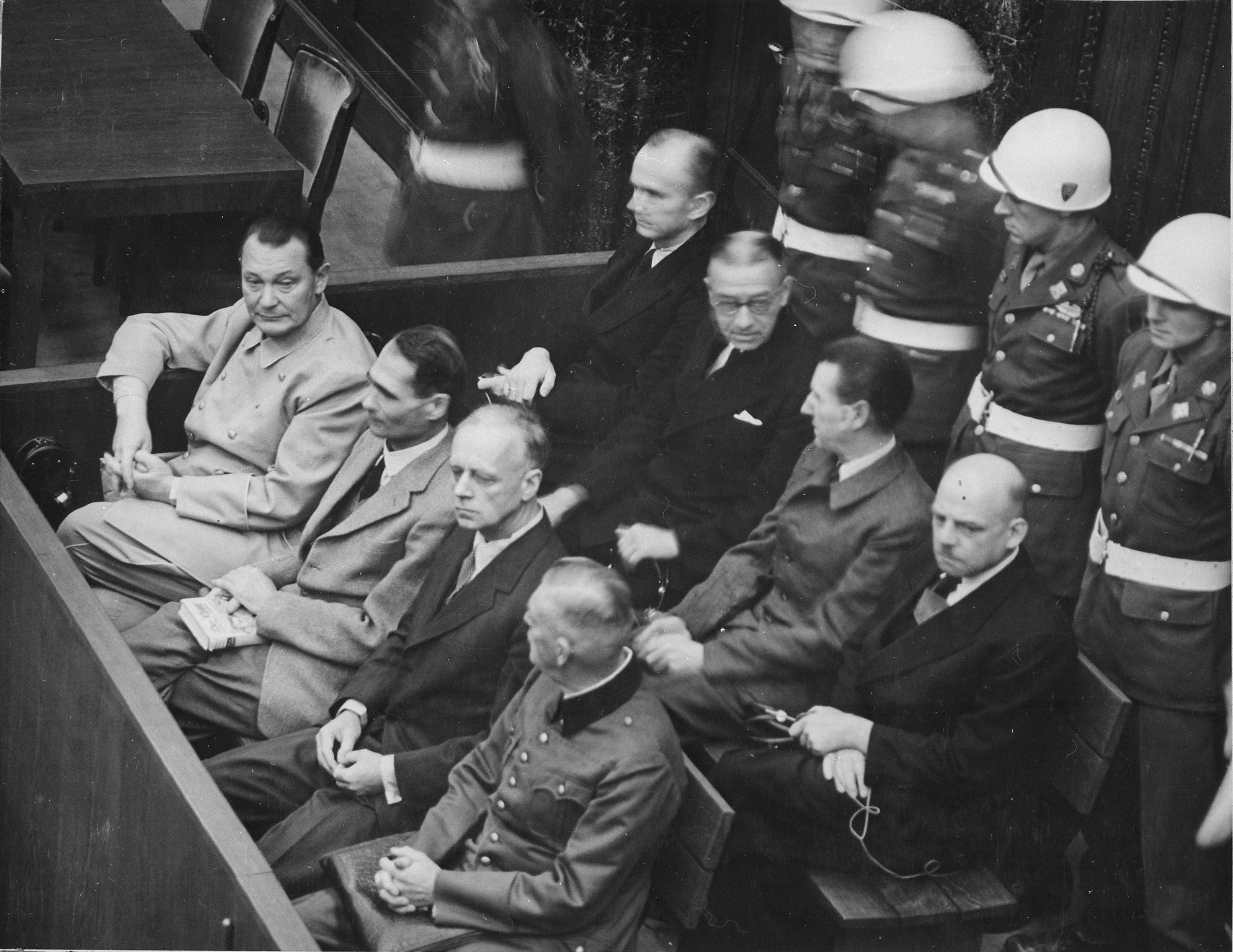
This is an audio adaptation of my previously-published academic essay “The Third Reich Diagnosis: How Nazi War Criminals Changed Psychology Forever.”
Understanding evil is something that has preoccupied humans for a long time. By the mid-20th century, the desire to root it in firm, social scientific terms became the norm, particularly in the field of psychology. The reason for this was simple: World War II. More specifically, the Third Reich and its genocidal campaign to dominate Europe and wipe out its Jews. No one could wrap their heads around something that had become so destructive and violent and what kind of people would willingly, even seemingly enthusiastically, engage in such barbarism. It was something many believed we had somehow transcended.
And yet, it was clear by 1945 that we had not. Tens of millions lay dead, and most of the leadership responsible for those crimes were part of that death toll, often by their own hands. But several remained, and in the year that they spent in jail cells and on trial for their participation in these crimes was going to be well-spent, with psychological experts probing them in order to understand their impulses. Two of these experts—Dr. Douglas Kelley and Dr. Gustave Gilbert—became central figures in reaching a diagnosis, not just of the men they studied, but of the Third Reich in general. The debate that emerged between these two men would then echo across history, even when later scholars and observers—including Hannah Arendt—weren’t even fully aware of it.
This is the story of the attempts—foolhardy or noble—to diagnose the Third Reich and its crimes.